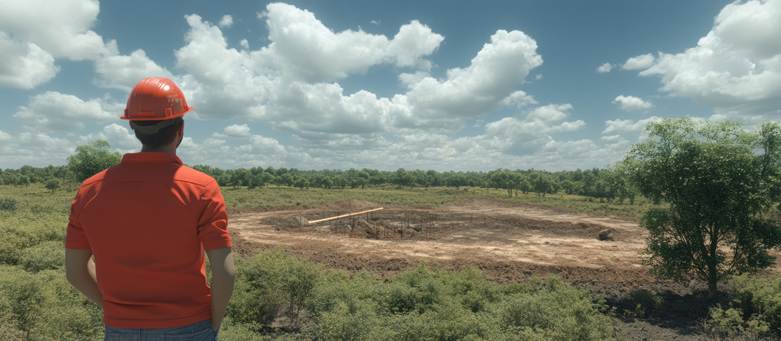
Recently, investors have been engaging in a specific type of conversation, initially in a quiet manner, but gradually becoming more confident. It’s the moment when someone points out that while buildings depreciate, demand fluctuates, and markets cycle, there’s one category of real estate that doesn’t follow the same script.
Undeveloped land, once treated as a slow burn or a speculative side note, has returned to the center of the investment table. And this time, the people paying attention aren’t just long-term visionaries; they include everyday buyers looking for clarity, stability, and control in a market that rarely offers all three at once.
That shift is what professionals like Kris Hamburger have been observing firsthand. When investors begin turning away from crowded segments and toward acreage that hasn’t yet been shaped by blueprints or approvals, something meaningful is happening under the surface. Land – raw, untouched, and often overlooked – is beginning to signal opportunity in a way that reflects where the market is going rather than where it has been.
A Market Looking for Predictability Finds It in Dirt
Romantic ideas of “someday” are not the foundation of undeveloped land’s allure. It is based on data, risk assessments, and shifting investor sentiment. Investors seek out Investors should focus on assets that exhibit honest behavior during hectic market conditions. Land just avoids instability; it doesn’t mask it. There are no tenant turnover issues to deal with, no outdated roofs to fix, and no unexpected renovation shocks hiding behind drywall. The investment is simple: the value is found in the site, the zoning, the soil itself, and the potential that eventually grows.
But the real shift in thinking comes from investors who are recalibrating their expectations. They’re not chasing short-term wins. They’re searching for assets that don’t erode under pressure. Undeveloped land fits that criterion with almost uncomfortable accuracy.
A Hedge Against an Overheated Housing Market
One reality that is often ignored in today’s real estate market is that buyers and investors are mentally tired. Prices have gone faster than pay; competition has gotten tougher, and inventory is still tight, especially good inventory. A simple question that many buyers have is: If finished homes are getting harder to get, where is the next chance?
Undeveloped land becomes the answer not because it’s cheaper, but because it offers room for strategic decision-making. Investors can hold it, develop it, resell it, or partner with builders. They aren’t forced into a singular direction. That flexibility has become a persuasive advantage at a time when the conventional market feels restrictive.
For some, land also serves as an alternative to navigating bidding wars or compromising on properties that don’t align with long-term plans. Instead of reacting to the market, they’re building positions that allow them to set the pace.
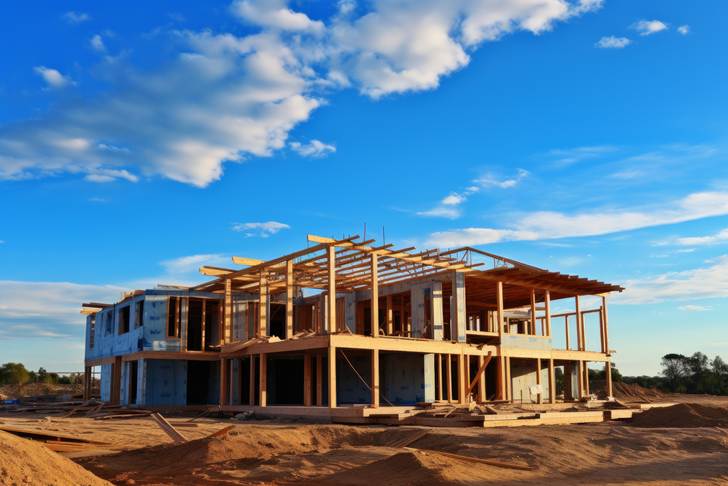
Long-Term Value in a Short-Term Culture
Short-term thinking has shaped a large portion of the current investment landscape, often to its own disadvantage. However, the most astute purchases being made currently are those who recognize a basic reality: land values because the desire for space does not decline.
Cities expand. The suburbs grow. Infrastructure fills the gaps. Population changes reshape boundaries. All of these developments increase the value of undeveloped land without necessitating early development by the investor.
The irony? In an age obsessed with instant results, the most strategic investments are coming from those willing to give their assets time. Land rewards patience with consistency, and investors who appreciate that dynamic are stepping into a category that historically favors disciplined thinkers.
Why the New Investor Profile Is Paying Attention
In the past few years, a new type of investor has emerged: one who is cautious and curious at the same time and who doesn’t like being put into standard boxes. These investors are smarter, more informed, and much more aware of signs from the economy as a whole than they were ten years ago.
They are gravitating toward undeveloped land for a few clear reasons:
- Lower maintenance risk compared to built structures
- Flexibility in future use, including residential, commercial, agricultural, or conservation
- Attractive entry points relative to improved properties
- Growing interest from institutional buyers, which strengthens long-term demand
- A stable store of value in regions experiencing population and infrastructure growth
This is a shift toward investments with defined boundaries, clear carrying costs, and fewer variables. Investors appreciate assets that behave predictably, especially when broader markets don’t.
A Category No Longer Sitting in the Shadows
In the past, undeveloped property was a topic of discussion only for developers with grand plans or generational planners. Developers and generational planners are rightfully discussing undeveloped property in relation to investments. This category offers clarity to many investors who feel overwhelmed by the volatility in other markets.
Land encourages a distinct type of decision-making, one that is patient, well-informed, and based on the knowledge that value isn’t always apparent. The investment that allows for potential is perhaps the best one.
And that simple, steady truth is why undeveloped land is no longer the quiet corner of real estate. It’s becoming the space where a new wave of investors is choosing to build their future.